TreeAlert launches new user dashboard
A new TreeAlert dashboard has been launched, giving users access to TreeAlert reports displayed as searchable lists, charts and maps.
28 Aug 2024

TreeAlert has launched a new dashboard that gives registered users access to two years of TreeAlert reports as searchable lists, charts and map views. It’ll help people understand what’s happening with tree pests and diseases in their local area and across the country.
This video explains how to access and use the dashboard:
The management of tree pests and diseases is greatly helped by early detection and prompt action.
TreeAlert is Great Britain’s only online reporting tool for tree pests and diseases. It allows professionals and members of the public to report suspected pests and diseases and can act as an early warning system for rising threats. Tree Alert users can also record information about healthy trees to help us understand pest and disease reports in context.
Gerard Clover, Head of Tree Health, explains more about TreeAlert and the new dashboard in this video:
The information gathered through TreeAlert reports supports important tree health monitoring and surveillance work. It also contributes to ongoing scientific research and, ultimately, helps efforts to protect the nation’s trees.
TreeAlert is managed by Forest Research, with funding from Defra, Forestry Commission, Scottish Forestry and Welsh Government.
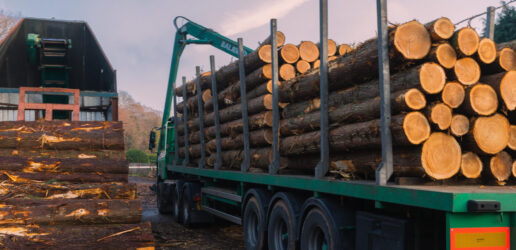
Forest Research has released the latest Accredited Official Statistics on woodland and forestry in the UK.
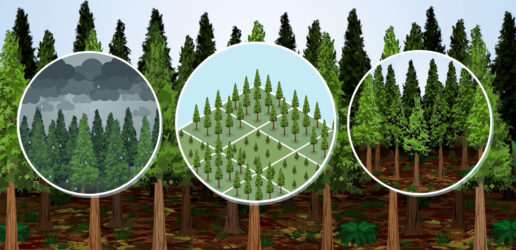
As Forest Research and Forestry England release five animations spotlighting productive tree species, Dr Tom Ovenden, silviculture and species scientist at Forest Research, discusses resilience, diversification and the future of forestry.
Forest Research, on behalf of the Forestry Commission, Scottish Forestry, and Welsh Government, has launched the Forestry Workforce Census. It aims to better understand what the forestry operations workforce in Great Britain looks like today.
Forest Research has released the latest Accredited Official Statistics on woodland and forestry in the UK.
As Forest Research and Forestry England release five animations spotlighting productive tree species, Dr Tom Ovenden, silviculture and species scientist at Forest Research, discusses resilience, diversification and the future of forestry.
Forest Research, on behalf of the Forestry Commission, Scottish Forestry, and Welsh Government, has launched the Forestry Workforce Census. It aims to better understand what the forestry operations workforce in Great Britain looks like today.